White-label software development for agencies provides a practical way to deliver custom applications, SaaS platforms, mobile apps and business systems without hiring and managing a full internal development team. By working with a reliable development partner, agencies can expand their services while maintaining control of the client relationship.
The requests may sound like:
- Can you build us a client portal?
- Can you create a booking system?
- Can you develop a custom CRM?
- Can you turn this spreadsheet process into an application?
- Can you build a SaaS platform?
- Can you create a mobile app?
- Can you connect our systems through an API?
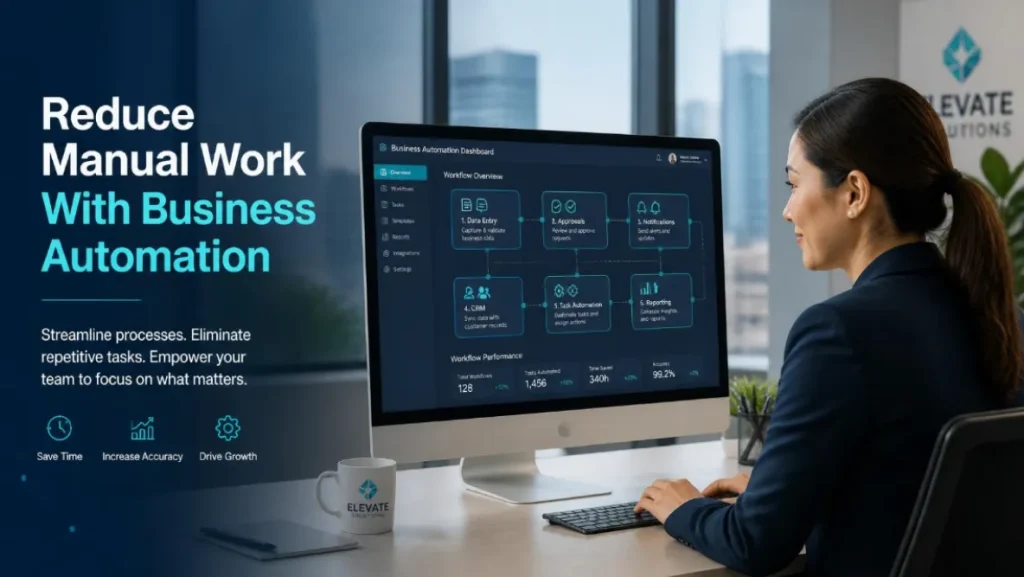
- Can you automate this manual workflow?
These opportunities can be valuable, but they also create a serious operational challenge.
Custom software development requires far more than adding a developer to a project. It can involve product discovery, architecture, database design, security, quality assurance, cloud deployment, project management, testing, documentation, maintenance, and long-term support.
Building all of those capabilities internally is expensive and risky.
The good news is that an agency does not need to create a complete software engineering department before offering software services.
An agency can control strategy, discovery, branding, and client communication while working with an experienced technical partner for architecture, development, testing, deployment, and ongoing support.
This model allows agencies to expand into software services while keeping permanent overhead under control.
However, it only works when the service is properly structured.
The agency must avoid accepting every possible software idea, quoting projects before requirements are clear, or treating custom software like a larger website build.
Direct Answer: How Can an Agency Offer Custom Software Without Hiring a Full Team?
An agency can offer custom software development without building a complete internal team by owning the client relationship and product direction while using a trusted software development partner for technical delivery.
A practical model includes:
- Choosing a narrow initial software offer
- Selling paid discovery before fixed development
- Defining the agency and partner responsibilities
- Using a repeatable project workflow
- Establishing code, cloud, access, and documentation ownership
- Pricing for management, risk, testing, and support
- Offering post-launch maintenance from the beginning
The agency remains accountable for the client experience, while the technical partner supplies the engineering capability needed to deliver the solution.
Why Agencies Are Adding Custom Software Services
Clients increasingly expect service providers to solve business problems, not merely complete isolated marketing tasks.
A marketing agency may improve a client’s lead generation, only to discover that the client has no reliable system for managing those leads.
A web design agency may launch a new website, only to learn that the client still processes bookings, approvals, customer records, or payments manually.
A brand consultancy may help a company launch a new service, but the company still needs a customer portal or internal dashboard to support it.
This creates an opportunity for agencies to move beyond campaign work and become more valuable long-term partners.
Common Client Problems That Lead to Software Opportunities
Agencies often encounter businesses struggling with:
- Spreadsheets used as databases
- Repetitive administrative work
- Disconnected systems
- Manual approvals
- Poor customer communication
- Duplicate data entry
- Limited reporting
- No central customer record
- Outdated internal software
- Unscalable WordPress plugins
- Complicated booking processes
- Manual membership management
- Inconsistent inventory tracking
- No client or employee portal
When an agency already understands the client’s operations, audience, brand, and growth strategy, it is well positioned to identify these problems.
The challenge is delivering the technical solution without taking on more risk than the agency can manage.
1. Begin With a Focused Software Offer
The safest way to enter custom software development is not to announce:
We build every type of software.
That positioning creates unnecessary risk.
Custom software can include everything from a simple internal dashboard to a banking platform, healthcare system, logistics engine, or large multi-tenant SaaS application.
No agency should attempt to serve every category.
Instead, choose one or two software offers that are closely related to the agency’s existing clients and capabilities.
Good Entry Offers for Agencies
Practical starting services may include:
- Client portals
- Appointment and booking systems
- Membership management platforms
- Internal business dashboards
- Custom CRM systems
- Inventory tracking applications
- Document management portals
- Employee management systems
- Property management portals
- Contribution and payment trackers
- Customer self-service platforms
- Lightweight MVP development
- Workflow automation systems
- Reporting dashboards
- API integrations
These projects often solve clear operational problems and can be scoped more effectively than broad, undefined software ideas.
Choose Offers Connected to Your Existing Market
A focused offer is easier to sell when it matches the clients the agency already serves.
For example:
A Digital Marketing Agency
May offer:
- Lead management portals
- Campaign reporting dashboards
- Customer onboarding systems
- Marketing automation integrations
A Real Estate Agency Specialist
May offer:
- Property portals
- Tenant management systems
- Maintenance request systems
- Agent dashboards
A Healthcare Marketing Agency
May offer:
- Appointment portals
- Secure client onboarding
- Internal workflow tools
Healthcare-related projects may require specialist compliance and legal review, so the service must be carefully limited.
A Membership or Nonprofit Specialist
May offer:
- Membership management
- Contribution tracking
- Event registration
- Digital membership cards
- Member directories
The closer the software offer is to the agency’s current industry knowledge, the easier it becomes to understand the client’s requirements.
Avoid Selling Technology Before Understanding the Problem
Clients often arrive with a preferred solution.
They may say:
- We need an app.
- We need artificial intelligence.
- We need blockchain.
- We want something like Uber.
- We need a SaaS platform.
The correct solution may be much simpler.
A portal, workflow automation, CRM configuration, or improved existing system may solve the problem without building a large application.
The agency should sell problem-solving, not unnecessary complexity.
2. Make Software Discovery a Paid Service
One of the biggest mistakes agencies make is providing detailed software planning for free.
A client may request a proposal and expect:
- A complete feature list
- Recommended technology
- Project timeline
- Architecture
- User flows
- Database requirements
- Integration planning
- Fixed cost
It is difficult to produce a reliable estimate without completing substantial discovery work.
Custom software contains unknowns.
The more unknowns that remain, the less reliable the quote becomes.
What Is Software Discovery?
Software discovery is a structured planning stage that turns a broad client idea into a defined product.
It helps answer:
- Who will use the system?
- Which problems must it solve?
- What workflows are involved?
- Which features are essential?
- Which features can wait?
- What data will be stored?
- What permissions are required?
- Which systems must be integrated?
- What security risks exist?
- What would make the project successful?
Discovery reduces ambiguity before development begins.
What Should a Paid Discovery Include?
Depending on the project, discovery may produce:
- Business requirements
- User roles
- User journeys
- Workflow maps
- Feature inventory
- Functional requirements
- Non-functional requirements
- Wireframes
- Technical recommendations
- System architecture
- Integration assessment
- Data model
- Product backlog
- Risk register
- MVP definition
- Phased roadmap
- Budget range
- Delivery estimate
A smaller project may need only a concise discovery document.
A larger SaaS platform may require several workshops and a more detailed specification.
Why Paid Discovery Protects the Agency
Paid discovery prevents the agency from making promises based on assumptions.
Without discovery, a client may say:
We only need a simple booking platform.
But the real requirements later reveal:
- Multiple locations
- Different staff schedules
- Customer accounts
- Subscriptions
- Payment processing
- Time-zone support
- Automated reminders
- Cancellations
- Reporting
- Role-based permissions
- Calendar integrations
That is no longer a simple booking system.
A paid discovery stage makes the complexity visible before the agency commits to a final cost and deadline.
Quote Discovery First, Development Second
A safer commercial structure is:
Stage 1: Discovery
Fixed fee for requirements, planning, and recommendations.
Stage 2: Design or Prototype
Approved wireframes, interface design, or interactive prototype.
Stage 3: Development
Phased estimate based on approved requirements.
Stage 4: Testing and Launch
Quality assurance, deployment, training, and handover.
Stage 5: Maintenance
Ongoing support, updates, monitoring, and improvements.
This approach creates clear decision points and reduces financial risk for both the agency and the client.
3. Define the Agency–Development Partner Split
A successful software development partnership requires clear internal responsibilities.
The end client may see one unified delivery team, but the agency and development partner must know exactly who owns each part of the engagement.
Responsibilities the Agency May Retain
The agency may handle:
- Lead generation
- Sales
- Client relationship
- Commercial negotiation
- Industry research
- Brand strategy
- Product positioning
- Content
- UI direction
- Project updates
- Client presentations
- Account management
Responsibilities the Software Partner May Handle
The technical partner may own:
- Technical discovery
- Architecture
- Database design
- Front-end development
- Back-end development
- API development
- Mobile application development
- Quality assurance
- Security reviews
- Infrastructure setup
- Deployment
- Technical documentation
- Maintenance
Shared Responsibilities
Some areas may be shared:
- Product discovery
- Scope definition
- UI/UX design
- Project management
- Client workshops
- Testing
- Training
- Release planning
- Change control
The exact division depends on the agency’s strengths.
Do Not Create Ambiguous Accountability
Problems occur when both sides assume the other is responsible.
Examples include:
- Who confirms the final requirements?
- Who checks whether the client supplied the content?
- Who approves the design?
- Who tests payment processing?
- Who prepares the server?
- Who communicates delays?
- Who manages the client after launch?
- Who responds when the system goes offline?
Every major responsibility should have one accountable owner.
A RACI framework can help define who is:
- Responsible
- Accountable
- Consulted
- Informed
The client may never see this internal document, but the delivery team should use it.
4. Choose the Right Software Development Partnership Model
Agencies can work with development partners in several ways.
The correct model depends on project volume, internal capability, and client expectations.
White-Label Delivery
Under a white-label model, the development partner works behind the agency’s brand.
The client may not know that an external technical team is involved.
The agency controls:
- Client communication
- Branding
- Pricing
- Delivery presentation
- Commercial relationship
The development partner focuses on execution.
This model is suitable when the agency wants to add white-label custom software without exposing the partner relationship.
Co-Delivery Partnership
In a co-delivery arrangement, both organisations may participate in client meetings.
The agency leads strategy and account management, while the software partner joins technical discussions.
This is often useful for complex projects where the client needs direct access to architects or senior developers.
The partner can be introduced as:
- The agency’s technical team
- A specialist development division
- A strategic engineering partner
The communication structure should be agreed in advance.
Dedicated Outsourced Development Team
For recurring software demand, the agency may use an outsourced development team with reserved monthly capacity.
The team may include:
- Project manager
- Business analyst
- UI/UX designer
- Front-end developer
- Back-end developer
- QA engineer
- DevOps specialist
This model provides more predictable availability than quoting every task separately.
Project-Based Partnership
The agency engages the software partner for a single defined project.
This is usually the safest way to begin.
A controlled first project allows both teams to evaluate:
- Communication
- Documentation
- Technical quality
- Reliability
- Responsiveness
- Quality assurance
- Cultural fit
- Deadline management
The relationship can expand after the first project is successfully delivered.
5. Establish a Repeatable Delivery Process
Custom software becomes difficult when every project is managed differently.
A repeatable workflow improves quality and makes future projects easier to estimate.
Recommended Agency Software Delivery Workflow
Phase 1: Qualification
Confirm:
- Business problem
- Client budget
- Decision-maker
- Desired timeline
- Current systems
- Compliance requirements
- Project urgency
- Expected business value
Not every enquiry should proceed to discovery.
Phase 2: Paid Discovery
Document:
- Users
- Roles
- Workflows
- Features
- Integrations
- Data
- Risks
- Priorities
- Success criteria
Phase 3: Scope and Commercial Approval
Provide:
- MVP scope
- Phased roadmap
- Assumptions
- Exclusions
- Estimated timeline
- Payment milestones
- Support model
Phase 4: UI/UX Design
Prepare:
- Wireframes
- User flows
- Page states
- Responsive behaviour
- Error states
- Empty states
- Interactive prototype
Phase 5: Architecture and Setup
Establish:
- Technology stack
- Repositories
- Environments
- Database structure
- Deployment workflow
- Access controls
- Coding standards
Phase 6: Development
Work in controlled stages or sprints.
Each stage should include:
- Agreed tasks
- Development
- Code review
- Testing
- Demonstration
- Feedback
- Approval
Phase 7: Quality Assurance
Test:
- Core workflows
- Permissions
- Forms
- Validation
- Integrations
- Mobile responsiveness
- Browser support
- Error handling
- Performance
- Security basics
Phase 8: User Acceptance Testing
The client confirms that the approved requirements are satisfied.
This should not become an unlimited redesign phase.
Phase 9: Deployment
Prepare:
- Production environment
- Database migration
- Backups
- Domain and SSL
- Monitoring
- Email delivery
- Rollback plan
- Launch checklist
Phase 10: Support and Improvement
Provide:
- Warranty period
- Bug resolution
- Monitoring
- Updates
- New features
- Performance reviews
- Security maintenance
This process can be simplified for small projects, but the core stages should remain visible.
6. Keep Code, Cloud, Access, and Documentation Organised
Ownership and access are often ignored until a relationship becomes difficult.
By that point, the agency may discover that:
- The code is in a developer’s personal account.
- The hosting account belongs to the wrong party.
- No one has production credentials.
- The database has no reliable backup.
- The client cannot access the source code.
- Documentation does not exist.
- Third-party licences were purchased under a personal email.
These problems are avoidable.
Repository Ownership
Code should be stored in an approved organisation account, such as:
- The client’s GitHub organisation
- The agency’s GitHub organisation
- A shared company-controlled repository
Avoid keeping the only copy under an individual developer’s personal account.
Access should be role-based and removable.
Cloud Ownership
Before deployment, decide whether infrastructure belongs to:
- The client
- The agency
- The software partner
For many custom systems, client-owned cloud accounts provide cleaner long-term ownership.
The partner can receive controlled access for setup and support.
Domain and DNS Ownership
The client or agency should control:
- Domain registration
- DNS
- SSL
- Email-related records
These should not remain permanently under a freelance developer’s account.
Documentation
At minimum, maintain:
- Project requirements
- Architecture summary
- Environment setup
- Deployment process
- API documentation
- Integration credentials location
- Database backup process
- User roles
- Known limitations
- Support procedure
Good documentation protects business continuity.
Password and Secret Management
Do not store sensitive credentials in:
- Chat threads
- Public documents
- Source code
- Email chains
- Screenshots
Use an approved password manager or secrets-management system.
7. Build the Right Commercial Model
Custom software should not be priced as coding hours with a small markup.
The agency carries responsibility beyond development.
The total price may need to cover:
- Sales effort
- Discovery
- Product strategy
- Account management
- Project management
- UI/UX design
- Architecture
- Development
- Quality assurance
- Infrastructure
- Third-party licences
- Documentation
- Training
- Contingency
- Warranty
- Support
- Tax
- Commercial risk
If the agency prices only the developer’s hours, the project can appear profitable while quietly consuming management time and revision effort.
Common Pricing Models
Fixed-Price Project
Best for:
- Clearly defined scope
- Stable requirements
- Limited integrations
- Small or medium projects
The contract should include:
- Assumptions
- Exclusions
- Revision limits
- Change-request process
- Payment milestones
Time and Materials
Best for:
- Evolving requirements
- Research-heavy projects
- Complex systems
- Long-term product development
The client pays for actual delivery time.
This model requires transparent reporting and budget controls.
Dedicated Monthly Team
Best for:
- Ongoing product development
- SaaS platforms
- Large backlogs
- Continuous updates
The client reserves a set level of team capacity each month.
Phased Fixed Pricing
Each phase is quoted separately.
For example:
- Discovery
- Prototype
- MVP
- Integrations
- Launch
- Maintenance
This model balances predictability and flexibility.
Include Contingency
Software projects contain uncertainty.
A contingency allowance may cover:
- Integration issues
- Data migration problems
- Technical discoveries
- Infrastructure changes
- Compatibility problems
Contingency is not hidden profit.
It protects delivery from predictable uncertainty.
Define Change Requests
A change request is new work that falls outside the approved scope.
It should document:
- Requested change
- Reason
- Cost
- Timeline impact
- Dependencies
- Approval
Do not allow large scope changes to enter development through informal messages.
8. Offer Maintenance Before the System Launches
Custom software does not become permanently complete at launch.
After launch, the system may require:
- Security updates
- Framework updates
- Dependency updates
- Server monitoring
- Database backups
- Error monitoring
- Bug fixes
- Browser compatibility updates
- Integration maintenance
- Performance optimisation
- User support
- New features
A maintenance plan should be introduced during the proposal stage, not after the client reports a problem.
Separate Warranty From Maintenance
A warranty period may cover defects in approved functionality.
It does not normally include:
- New features
- New integrations
- Design changes
- Content entry
- User training beyond the agreement
- Issues caused by third-party changes
- Client modifications
- Hosting problems outside the partner’s control
Maintenance is an ongoing service.
The distinction should be documented.
Define Support Levels
A support model may include:
First-Line Support
The agency receives client issues, confirms the details, and resolves simple questions.
Technical Escalation
The development partner investigates confirmed technical problems.
Emergency Support
Critical production issues receive priority under agreed rules.
Response time is not the same as resolution time.
The agreement should define both carefully.
9. Manage Software Project Risk
Custom software contains technical, financial, operational, and legal risk.
The agency should identify major risks before accepting the project.
Common Warning Signs
Be cautious when:
- The client cannot explain the problem.
- No decision-maker is available.
- The budget is far below the expected complexity.
- The deadline is based on an event that cannot move.
- The project requires many undocumented integrations.
- The client expects a fixed price before discovery.
- Multiple stakeholders give conflicting instructions.
- The client keeps adding “small” features.
- The system will handle sensitive data.
- The client expects guaranteed commercial success.
A development partner cannot correct poor governance alone.
Confirm the Decision-Maker
Every software project needs someone who can approve:
Requirements
- Designs
- Priorities
- Changes
- Budget
- Launch
Without a decision-maker, the project can stall between conflicting opinions.
Identify Regulatory Requirements Early
Projects involving the following areas may require specialist legal, security, or compliance support:
- Healthcare
- Financial services
- Insurance
- Government
- Education records
- Children’s data
- Biometric information
- Employment records
- Payment information
- Critical infrastructure
Do not assume a standard privacy policy is enough.
Requirements vary by jurisdiction, industry, and data type.
Avoid Safety-Critical Projects Without Specialist Expertise
A new agency software offer should not begin with systems where failure could cause serious physical, financial, or legal harm.
Examples may include:
- Medical decision systems
- Emergency-response platforms
- Industrial control systems
- High-risk financial infrastructure
- Aviation systems
These projects require specialised governance, testing, and certification.
10. Protect Client Confidentiality and Intellectual Property
White-label software arrangements require clear commercial boundaries.
The agreement should explain:
- Who owns the source code
- When ownership transfers
- Who owns reusable libraries
- How third-party components are treated
- Whether the partner may show the project in a portfolio
- Whether subcontractors are permitted
- Who may contact the client
- How confidential information is handled
- What happens after the partnership ends
Background Intellectual Property
A software partner may use reusable tools, frameworks, libraries, templates, or internal systems developed before the client project.
These do not necessarily become the client’s exclusive property.
The agreement should distinguish:
- Client-specific deliverables
- Third-party software
- Open-source components
- Pre-existing partner tools
- Custom project code
This prevents disputes later.
White-Label Rules
If the service is delivered under the agency’s brand, define:
- Whether the partner may contact the client
- Which email accounts are used
- Whether the partner joins meetings
- How the partner introduces itself
- Who approves communication
- Whether the work may appear in a portfolio
Protecting the relationship requires explicit rules.
11. Choose a Partner for Capability, Not Just Price
The cheapest development proposal may create the highest total cost.
Low pricing can hide:
- Weak discovery
- Junior-only teams
- No project manager
- Minimal testing
- Poor documentation
- Unmanaged subcontracting
- No post-launch support
- Unrealistic estimates
A reliable software development partnership should be assessed on more than the hourly rate.
Questions to Ask a Potential Development Partner
Ask:
- What types of systems have you built?
- Who will manage the project?
- Who performs architecture?
- How is code reviewed?
- How is quality assurance handled?
- How are requirements documented?
- What tools do you use?
- How do you manage changes?
- Who owns the repositories?
- How do you deploy?
- How do you protect confidential data?
- How is post-launch support handled?
- Can you work under our brand?
- What happens when a key developer is unavailable?
- Can you scale the team if demand increases?
The answers should demonstrate process and accountability.
Look for Business Understanding
A technically strong partner should still ask about:
- The business problem
- The users
- The operational workflow
- Success metrics
- Budget
- Risk
- Long-term plans
A partner who immediately recommends a technology without understanding the business may be focused on building rather than solving.
12. Start With a Controlled Trial Project
Before offering software services at scale, test the relationship.
A suitable pilot project should be:
- Commercially useful
- Limited in scope
- Clearly documented
- Low in regulatory risk
- Possible to complete in stages
- Easy to review
Examples include:
- Internal reporting dashboard
- Basic client portal
- Small booking application
- CRM integration
- Workflow automation
- Lightweight membership system
What to Evaluate During the Trial
Review:
- Quality of questions
- Accuracy of estimates
- Communication
- Documentation
- Technical execution
- Testing quality
- Deadline management
- Responsiveness
- Problem-solving
- Honesty about risks
Do not evaluate only whether the final screen looks correct.
The delivery process is just as important as the output.
13. Position the Service Correctly
Agencies should avoid presenting software development as a commodity.
The value is not simply:
We can provide developers.
A stronger offer is:
We help businesses turn inefficient manual processes and new product ideas into structured, scalable software solutions.
This positions the agency around business outcomes.
Useful Software Service Positioning
Examples include:
- Custom business systems for growing companies
- SaaS MVP development for service businesses
- Client portals for agencies and professional firms
- Workflow automation for manual operations
- Membership and contribution management platforms
- Booking and scheduling software
- White-label software development for agencies
The positioning should reflect the agency’s real delivery capability.
Explain the Process Clearly
Prospective clients may feel uncertain about software development.
Show them the stages:
- Discovery
- Planning
- Design
- Development
- Testing
- Launch
- Support
A visible process makes the service feel more credible and less risky.
14. Build Sales Materials Before Promoting the Service
Before launching an agency software service, prepare:
- Service page
- Discovery offer
- Proposal template
- Qualification form
- Sample process
- Capability deck
- FAQ
- Example deliverables
- Commercial terms
- Maintenance packages
- Case studies or relevant examples
This prevents the agency from rebuilding the sales process for every enquiry.
Create a Qualification Form
The form may ask:
What problem are you trying to solve?
- Who will use the system?
- What are you using now?
- Which features are essential?
- Are there existing designs?
- Are integrations required?
- What is the target launch date?
- What budget range has been approved?
- Who makes the final decision?
- Will the system handle sensitive data?
The answers help determine whether the project is suitable.
15. Measure Whether the Software Offer Is Profitable
Winning software projects does not automatically make the service profitable.
Track:
- Discovery conversion rate
- Proposal win rate
- Average project value
- Gross margin
- Project management time
- Revision time
- Change-request revenue
- Delivery delays
- Support burden
- Client satisfaction
- Maintenance conversion
- Repeat project revenue
A project may have strong revenue but poor margin if it requires constant senior involvement.
Review the entire delivery cost.
A Practical 90-Day Plan for Launching Agency Software Services
Days 1–30: Define the Offer
- Select one or two software categories.
- Identify the ideal client.
- Choose a technical partner.
- Define agency and partner responsibilities.
- Create qualification criteria.
- Design a paid discovery package.
- Prepare legal and confidentiality agreements.
- Define repository and infrastructure ownership.
Days 31–60: Build the Delivery System
- Create a discovery template.
- Prepare a software proposal template.
- Define project stages.
- Establish change control.
- Create QA checklists.
- Define support and maintenance plans.
- Set pricing rules.
- Prepare sales materials and service pages.
Days 61–90: Run a Controlled Pilot
- Select one contained project.
- Complete paid discovery.
- Deliver in phases.
- Measure communication and margin.
- Review what caused delays.
- Improve the workflow.
- Create an anonymised case study where permitted.
- Decide whether to expand the offer.
How Brayne Software Supports Agencies White-Label Software Development for Agencies
Brayne Software helps agencies, consultancies, and service firms add custom software capability without immediately building a complete internal engineering department.
We can support:
- Software discovery
- Requirements planning
- Product strategy
- Wireframes and prototyping
- UI/UX design
- Custom web applications
- SaaS product development
- Client portals
- Membership systems
- Booking platforms
- Business dashboards
- API integrations
- Mobile applications
- Multi-tenant architecture
- Cloud deployment
- Testing and quality assurance
- Software modernisation
- Ongoing maintenance
We can work as:
- A white-label custom software partner
- A behind-the-scenes outsourced development team
- A co-delivery technical partner
- A dedicated product development team
- A project-based engineering partner
Your agency can retain control of strategy, pricing, branding, and the client relationship while our team handles agreed technical responsibilities.
Our Recommended Starting Process
A typical agency partnership may begin with:
- Review of a sample client brief
- Identification of the best-fit project type
- Agreement on responsibilities
- A controlled paid discovery project
- Phased technical delivery
- Review of communication, quality, and commercial fit
- Expansion into recurring capacity where appropriate
The goal is not to accept every software opportunity.
The goal is to build a reliable service model that protects your reputation and supports long-term growth.
FAQs
Can an agency offer custom software development without internal developers?
Yes. The agency can retain sales, strategy, project leadership, and client communication while using an experienced software development partner for architecture, engineering, testing, and deployment.
The agency still needs someone accountable for the client relationship and product decisions.
Do we need technical staff internally?
Not necessarily a complete technical team.
However, the agency should have a responsible project leader who can coordinate the client, approve priorities, manage scope, and work effectively with the development partner.
Deep engineering expertise can come from the partner.
Can custom software be resold under our agency’s brand?
Yes, provided the partnership agreement allows white-label delivery.
The agreement should define confidentiality, client communication, branding, portfolio use, intellectual property, and direct contact rules.
How should we quote a software project with uncertain requirements?
Quote a paid discovery phase first.
After discovery, provide a phased estimate based on documented users, workflows, features, integrations, risks, and technical recommendations.
Avoid promising a fixed development cost based only on an initial conversation.
What software projects should a new agency offer avoid?
Avoid highly regulated, safety-critical, technically unfamiliar, or poorly defined projects until the agency has the correct expertise, governance, insurance, and legal support.
Examples may include medical decision systems, banking infrastructure, or industrial control software.
Who should own the source code?
Ownership should be stated in the contract.
In many projects, client-specific source code transfers to the client after full payment, while third-party software, open-source components, and the partner’s pre-existing tools remain subject to their own licences.
Who should own the GitHub repository?
The repository should be controlled by the client, agency, or an agreed company organisation account.
The only copy of the source code should not remain under an individual developer’s personal account.
Can we use our own designers?
Yes.
The development partner can build from agency-approved designs, provided the files include responsive layouts, interface states, error handling, and clear interaction requirements.
Who provides support after launch?
The agency and partner should agree on:
- First-line support
- Technical escalation
- Emergency response
- Warranty coverage
- Maintenance responsibilities
- Response times
- New-feature pricing
These arrangements should be defined before launch.
Is a maintenance plan necessary?
Yes.
Custom software usually requires monitoring, backups, security updates, dependency updates, bug resolution, and ongoing technical support.
Maintenance should be proposed before the application launches.
What is the best first software service for an agency?
A focused service connected to the agency’s existing market is usually best.
Good starting options include client portals, booking systems, dashboards, membership platforms, CRM integrations, and workflow automation.
How profitable can agency software services be?
Profitability depends on disciplined discovery, accurate scope, strong project management, appropriate pricing, change control, and recurring maintenance.
High revenue does not guarantee strong margin if delivery requires excessive revisions or unmanaged support.
Agencies do not need to hire a full internal engineering team before offering custom software development.
They do need:
- A focused offer
- A reliable technical partner
- Paid discovery
- Clear scope
- Defined ownership
- Strong project management
- Quality assurance
- Commercial discipline
- Ongoing support
The biggest mistake is treating custom software like a slightly more complicated website.
Software carries greater operational, technical, and long-term responsibility.
When the model is properly structured, it allows an agency to serve clients more deeply, increase project value, and enter new markets without taking on unnecessary permanent overhead.
The strongest approach is to start narrow, sell discovery, deliver one controlled project, document the process, and expand only after the model has been proven.